
🇨🇦 RV Dump Stations In Canada
60.0000° N, 95.0000° W
Quick Overview
Canada is one of the great RV road-trip countries on earth, with a highway network that runs from the Atlantic to the Pacific and into the Arctic. The flip side of all that space is that emptying your tanks takes a little planning. The good news is that dump stations, known here as sani-dumps, are widespread once you know where to look. Most provincial and national park campgrounds have one, Parks Canada sites almost always do, and a surprising number of gas stations, municipal yards, and small towns offer dumping too. Plenty of communities even provide free sani-dumps on purpose to attract RV tourism.
The single biggest factor shaping your trip is the season. From June through September, just about everything is open and the whole country is in play. Outside that window, the picture changes fast. Most campgrounds and their dump stations close from November through April, the Prairies turn bitterly cold, and mountain passes face avalanche closures. Coastal British Columbia around Vancouver is the main exception, staying mild enough for year-round travel. If you are planning a shoulder-season trip in May or October, call ahead rather than assume a seasonal station is running.
Boondockers have it good in Canada. Crown Land camping is legal in most provinces and free for residents, usually with a 21-day limit in one spot. British Columbia Forest Service roads alone offer thousands of free sites. Just remember that free camping does not mean free dumping. You must always carry your waste to a proper sani-dump and never empty black water on public land. The official rules for Crown Land and overnight parking are laid out clearly by the provinces, and Ontario publishes its Crown Land recreation guidelines online.
Geography shapes everything about RVing here. The populated south, from Vancouver across the Prairies to the St. Lawrence and the Maritimes, is where the dump stations, fuel, and groceries cluster, and where almost all the famous routes run. Head north into Yukon, the Northwest Territories, or the upper reaches of the provinces and services thin out dramatically while the scenery gets wilder. Plan tank capacity and dump stops around that reality, because a full grey tank is a poor excuse to cut a backcountry leg short. Carry a few extra days of water and a clear list of sani-dump locations before you leave pavement and cell coverage behind.
For services, Canadian Tire is the RVer friend you did not know you had, with nationwide stores that handle propane refills and basic automotive work. Major grocery chains reach almost every town, potable water is easy to find, and fuel is reliable on main routes. The exception everywhere is the far north, where fuel gaps of 200 km or more, thin grocery selection, and high prices reward anyone who tops off and stocks up before leaving a larger centre. Whether you are chasing the Rockies, the Cabot Trail, or the long haul north, a bit of route planning around services and seasons goes a long way here.

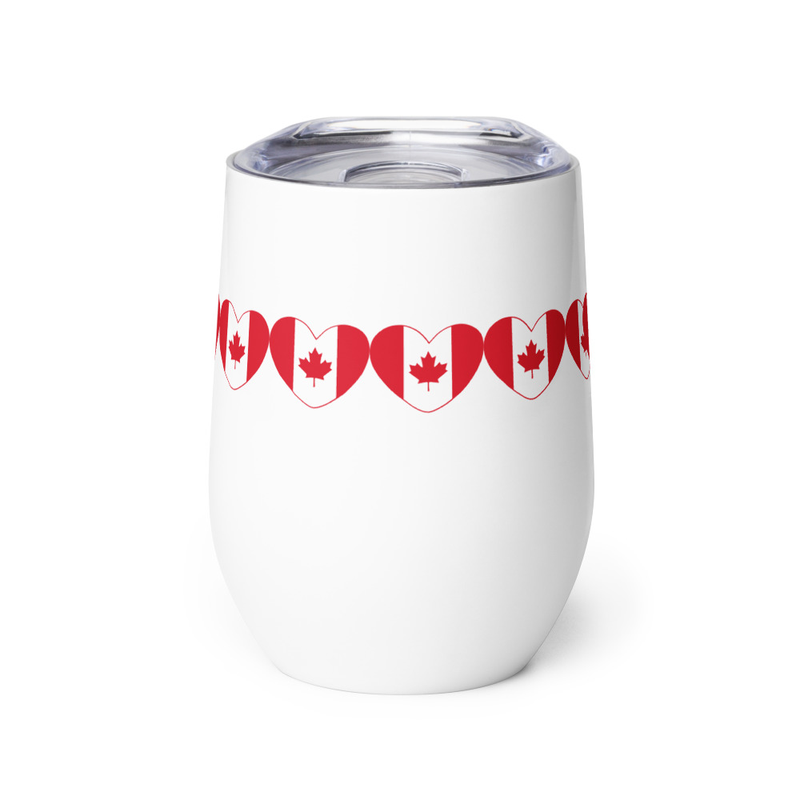
From the RVingLife Shop
Gear for Your Trip Across Canada


RV Travel in Canada
The Trans-Canada Highway is the spine of any cross-country trip, stretching 7,476 km from Newfoundland to British Columbia. It is a genuinely scenic drive, but through the BC interior it climbs Rogers Pass at 1,627 metres and Kicking Horse Pass, both of which see winter avalanche control and closures. Rest areas appear roughly every 80 to 100 km on major highways, and many allow overnight stays, which makes the route practical for big rigs.
The marquee drives are worth building a trip around. The Icefields Parkway between Banff and Jasper, just 230 km, is one of the most spectacular roads anywhere, but fuel stops are almost nonexistent, so fill up in Lake Louise or Jasper first. The Cabot Trail is a 298 km loop on Cape Breton Island with cliff-edge ocean views, and the Sea-to-Sky Highway runs from Vancouver to Whistler. Heading north, the Alaska Highway begins at Dawson Creek.
A few rules will save you grief. BC requires winter tires on many highways from October 1 to April 30, and Quebec from December 1 to March 15. Spring weight restrictions hit provincial roads during thaw. Check DriveBC and provincial transportation sites for live conditions before any mountain crossing, and download offline maps, because cell service disappears for long stretches in the mountains and the north.
Before You Go: RV Trip Essentials
Dump stations are only one piece of the trip puzzle. Before you set out for your Canada RV trip, it's worth taking thirty minutes to check that the basics are in place — the four areas below are where unprepared RVers most often get stung.
Check your RV insurance coverage
A standard auto policy rarely covers a Class A, Class C, or travel trailer the way a dedicated RV insurance policy does. If you're financing a motorhome, lenders typically require comprehensive and collision; full-timers should additionally price in vacation liability and personal belongings coverage. Rates vary widely by state and travel pattern — compare quotes from multiple RV-focused carriers before each season.
Know your roadside assistance options
RV-specific roadside plans tow motorhomes and trailers that regular AAA coverage won't touch — flat beds, mobile mechanics, tire service for duallies, and even emergency lockouts at remote campgrounds. Good plans cover your spouse and trailer even if you're driving a separate vehicle, and some include trip interruption reimbursement if a breakdown costs you a reservation.
Decide about an extended warranty early
Original manufacturer warranties on new RVs typically run 12–24 months — shorter than most buyers realize. An extended service contract (essentially a mechanical breakdown policy) covers the appliances, slides, levelling systems, and drivetrain components that can run $3,000–$10,000 to replace. The time to price one is before the factory coverage expires, not after something breaks.
Set up a travel rewards card for fuel and fees
A no-annual-fee travel or gas rewards card pays for itself on a single month of RV travel. Expect to spend $400–$800 per week combined on fuel, campgrounds, and propane — 3–5% cash back on gas alone covers the next oil change. For bigger trips, a sign-up bonus can offset campground fees for the whole season.
RVingLife is supported by advertising. Third-party ads on this page may include insurance quotes, roadside plans, warranty coverage, or financial products relevant to the topics above. We don't endorse any specific provider — compare multiple offers before you commit. Privacy policy.
RV Dump Stations Costs in Canada
Dumping costs in Canada run from free to about 20 dollars. Many towns and visitor centres offer free sani-dumps to draw in RV travelers, and registered campground guests almost always dump at no extra charge. Non-guests typically pay 5 to 20 dollars at a campground, with gas stations and private RV businesses at the higher end. If you book full-hookup sites, dumping is simply included in the nightly rate.
The bigger budget levers are park fees and fuel. The Parks Canada Discovery Pass runs about 146 CAD per family per year and pays for itself across a few national park visits. Provincial park passes vary. Fuel is priced per litre and climbs steeply in remote northern communities, so plan fill-ups around the populated south when you can. Boondockers who combine free Crown Land stays with free municipal dump stations spend the least, while travelers who stick to private resorts and serviced sites should budget 40 to 60 CAD a night or more in peak season.
Contact station for pricing details.
Prices may vary. Always confirm with the station before visiting.
What RVers Are Saying About Canada
“Even though the weather was warm in April 2026, the sani dump was locked on April 9th. Best to call before driving up the hill if staying in town. Still free.”
“You can use a credit card - cost was $10 CAD in April 2026. there is a 15 min timer on the non potable water tap. No potable/drinking water available.”
Best Time to Visit Canada by RV
Winter
Nov - Feb
-15 to -25°C - -5 to 5°C
Crowds: Low
Most of the country shuts down for RV travel from December through February. Coastal BC around Vancouver stays drivable at 3-8°C, but the Prairies run brutally cold and many dump stations close or freeze. Plan on winterized rigs and very limited open facilities.
Spring
Mar - May
0-10°C - 10-20°C
Crowds: Low
March to May is a mixed bag. Spring thaw brings weight restrictions on provincial highways and muddy back roads. Most campground dump stations reopen mid-May to early June, so call ahead in April rather than assuming a station is running.
Summer
Jun - Aug
10-18°C - 20-30°C
Crowds: High
June through August is the season. Just about every municipal, campground, and gas-station dump is open, lineups are longest at popular national parks, and long daylight hours make late-day stops easy. Book national park sites early.
Fall
Sep - Oct
0-8°C - 10-18°C
Crowds: Medium
September and October bring great colour in Ontario, Quebec, and the Maritimes and thinner crowds at dump stations. Many campground facilities close around Thanksgiving in mid-October, so the window narrows fast as you head into November.
Explore Canada
Book national park campgrounds the instant the Parks Canada reservation system opens, which is January for the summer season. Premium sites in Banff and Jasper genuinely sell out within hours, so have your dates ready and log in early. If you miss out, provincial parks and private campgrounds fill the gap with their own reservation systems.
Crown Land camping is one of the best deals going for RVers, free in most provinces for residents with a 21-day limit. Pair free overnight stays with free municipal sani-dumps and you can keep costs near zero for long stretches. Just be disciplined about waste: haul everything to a proper dump station and never empty tanks in the bush.
Bear safety is not optional in BC and Alberta. Store food in bear-proof containers, keep a clean site, and carry bear spray on hikes. Watch for moose on northern highways at dawn and dusk, because a collision can be fatal. From May through July, blackflies and mosquitoes in Ontario, Quebec, and the north are intense, so pack serious repellent and bug nets. Finally, fill propane at Canadian Tire whenever you pass one, since refill points thin out fast once you leave the populated south.
Canada Resources
Explore Nearby Countries


Frequently Asked Questions About RV Dump Stations in Canada
Where can I find RV dump stations in Canada?
You have a lot of options across the country. Most provincial and national park campgrounds run sani-dumps, and Parks Canada sites almost always have one. Beyond parks, many gas stations, municipal yards, and even some Canadian Tire and Walmart locations offer dumping. A good number of small towns provide free dump stations on purpose to pull in RV tourists. We recommend checking facility hours before you arrive, since seasonal sites in the north and Prairies often close from late fall through spring.
Are there free dump stations in Canada?
Yes, quite a few. Many municipalities install free sani-dumps to attract traveling RVers, and you will find them at community recreation areas, tourist information centres, and some highway rest areas. Provincial visitor centres are a reliable place to ask. Free does not always mean fancy, so expect a basic concrete pad and a rinse hose at best. Carry your own gloves and a sewer hose support, and always leave the spot cleaner than you found it so these free facilities stay open for the next rig.
Is it legal to boondock and dump tanks on Crown Land?
Boondocking on Crown Land is legal in most provinces and free for Canadian residents, typically with a 21-day limit in one location. Ontario, for example, requires you to move at least 100 metres after 21 days. Dumping tanks is a different matter. You must never empty black water on public land or into the bush. Use a proper dump station for both black and grey water. Grey water rules vary by province, so when in doubt, haul it out to a sanctioned facility rather than risk a fine or a contaminated site.
Do national parks in Canada have dump stations?
Most do. Parks Canada operates campgrounds in more than 40 national parks, and the larger ones almost always include a sani-dump, often near the campground entrance or service area. Premium spots like Tunnel Mountain in Banff and Wapiti in Jasper have full facilities. The catch is demand. Banff and Jasper sites open for reservations in January and sell out within hours for summer, so book the moment the system opens at the Parks Canada reservation site if you want a guaranteed full-hookup stay.
What does it cost to dump tanks in Canada?
It ranges from free to about 15 to 20 dollars. Free stations exist in many towns and at some visitor centres. Campgrounds usually let registered guests dump at no extra charge, while charging non-guests a fee in the 5 to 20 dollar range. Gas stations and private RV businesses tend to sit at the higher end. If you are staying at a park with full hookups, dumping is included in your nightly rate. Budget travelers can string together free municipal stations and Crown Land stays to keep costs near zero.
When is the best season to RV in Canada?
June through September is the sweet spot for most of the country, with July and August as the busy peak. Coastal BC has the longest usable season thanks to mild weather. September is hard to beat in eastern Canada for fall colour and quieter campgrounds, and prices ease off as the crowds thin. Winter travel is impractical almost everywhere except the south coast of BC, since most campgrounds and dump stations close from November through April and Prairie temperatures routinely drop below minus 15 degrees Celsius. If you want fewer crowds without the cold, aim for early June or the first half of September.
What highways should RVers know in Canada?
The Trans-Canada Highway is the backbone, running 7,476 km coast to coast. Through BC it crosses Rogers Pass and Kicking Horse Pass, both prone to winter avalanche closures. The Icefields Parkway between Banff and Jasper is one of the great drives anywhere, but fuel stops are scarce, so fill up first. Other standouts include the Sea-to-Sky Highway to Whistler, the Cabot Trail loop on Cape Breton, and the Alaska Highway heading north. Provincial highways use their own numbering, so there are no US-style interstates here.
Are there winter tire or chain requirements?
Yes, and they matter for RVs. British Columbia requires winter tires on many highways from October 1 to April 30, and some mountain passes add chain requirements during storms. Quebec mandates winter tires from December 1 to March 15. Even if you are not planning winter travel, shoulder-season trips into the mountains can run into these rules. Check provincial transportation websites and DriveBC for current road conditions before crossing any pass, since closures and restrictions change quickly with the weather.
Where can I refill propane while traveling Canada?
Canadian Tire is your most reliable bet. The chain operates nationwide and most stores offer propane refills, which makes route planning easy. Beyond that, gas stations in RV-popular regions, on-site campground refill services, and hardware stores in smaller towns all handle propane. The Canadian Propane Association keeps a fuel station locator at propane.ca if you are heading somewhere unfamiliar. In remote northern areas, plan ahead and top off whenever you get the chance, since refill points can be far apart.
How do I find water and groceries on the road?
Potable water is easy to find at most campgrounds, and many small towns have municipal taps. Water quality from Canadian municipal systems is generally excellent. For groceries, the big chains are Loblaws, Metro, Sobeys, Safeway in the west, Co-op, Walmart, and Costco. Even small towns usually have at least one store. The exception is the far north and remote communities, where selection shrinks and prices climb sharply, so stock up on staples before leaving a larger centre when heading into Yukon or northern BC.
Do I need a special license or permit to RV in Canada?
No special license is needed for motorhomes under standard weight limits. A regular driver license covers most rigs. For parks, the Parks Canada Discovery Pass costs around 146 CAD for a family annually and covers entry to all national parks and historic sites, which pays off quickly if you visit several. Provincial park passes vary by province. If you plan to fish, you will need a provincial fishing license. Non-residents may need permits for some Crown Land camping, so check the specific province rules.
What wildlife and safety risks should RVers plan for?
Bear country is real across BC, Alberta, and the northern provinces, including both black bears and grizzlies. Store food in bear-proof containers, never leave food out, and carry bear spray when hiking. Moose are a serious highway hazard at dawn and dusk in northern Ontario, Quebec, New Brunswick, and Newfoundland, and a collision can be fatal. Blackflies and mosquitoes are intense from May through July in Ontario, Quebec, and northern areas. Summer forest fire smoke can affect air quality in BC and Alberta.
Can I rely on cell service while RVing in Canada?
Not everywhere. Cell coverage is solid in cities and along major southern corridors, but it drops out frequently in rural and northern regions. On routes like the Icefields Parkway, parts of the Trans-Canada through the mountains, and anywhere in the territories, expect long dead zones. Download offline maps before you head out, tell someone your route and timeline, and consider a satellite communicator for remote northern travel. Do not count on a data connection to find the next dump station or fuel stop in the backcountry.
Where can I find RV dump stations in Canada?
You have a lot of options across the country. Most provincial and national park campgrounds run sani-dumps, and Parks Canada sites almost always have one. Beyond parks, many gas stations, municipal yards, and even some Canadian Tire and Walmart locations offer dumping. A good number of small towns provide free dump stations on purpose to pull in RV tourists. We recommend checking facility hours before you arrive, since seasonal sites in the north and Prairies often close from late fall through spring.
Are there free dump stations in Canada?
Yes, quite a few. Many municipalities install free sani-dumps to attract traveling RVers, and you will find them at community recreation areas, tourist information centres, and some highway rest areas. Provincial visitor centres are a reliable place to ask. Free does not always mean fancy, so expect a basic concrete pad and a rinse hose at best. Carry your own gloves and a sewer hose support, and always leave the spot cleaner than you found it so these free facilities stay open for the next rig.
Is it legal to boondock and dump tanks on Crown Land?
Boondocking on Crown Land is legal in most provinces and free for Canadian residents, typically with a 21-day limit in one location. Ontario, for example, requires you to move at least 100 metres after 21 days. Dumping tanks is a different matter. You must never empty black water on public land or into the bush. Use a proper dump station for both black and grey water. Grey water rules vary by province, so when in doubt, haul it out to a sanctioned facility rather than risk a fine or a contaminated site.
Do national parks in Canada have dump stations?
Most do. Parks Canada operates campgrounds in more than 40 national parks, and the larger ones almost always include a sani-dump, often near the campground entrance or service area. Premium spots like Tunnel Mountain in Banff and Wapiti in Jasper have full facilities. The catch is demand. Banff and Jasper sites open for reservations in January and sell out within hours for summer, so book the moment the system opens at the Parks Canada reservation site if you want a guaranteed full-hookup stay.
What does it cost to dump tanks in Canada?
It ranges from free to about 15 to 20 dollars. Free stations exist in many towns and at some visitor centres. Campgrounds usually let registered guests dump at no extra charge, while charging non-guests a fee in the 5 to 20 dollar range. Gas stations and private RV businesses tend to sit at the higher end. If you are staying at a park with full hookups, dumping is included in your nightly rate. Budget travelers can string together free municipal stations and Crown Land stays to keep costs near zero.
When is the best season to RV in Canada?
June through September is the sweet spot for most of the country, with July and August as the busy peak. Coastal BC has the longest usable season thanks to mild weather. September is hard to beat in eastern Canada for fall colour and quieter campgrounds, and prices ease off as the crowds thin. Winter travel is impractical almost everywhere except the south coast of BC, since most campgrounds and dump stations close from November through April and Prairie temperatures routinely drop below minus 15 degrees Celsius. If you want fewer crowds without the cold, aim for early June or the first half of September.
What highways should RVers know in Canada?
The Trans-Canada Highway is the backbone, running 7,476 km coast to coast. Through BC it crosses Rogers Pass and Kicking Horse Pass, both prone to winter avalanche closures. The Icefields Parkway between Banff and Jasper is one of the great drives anywhere, but fuel stops are scarce, so fill up first. Other standouts include the Sea-to-Sky Highway to Whistler, the Cabot Trail loop on Cape Breton, and the Alaska Highway heading north. Provincial highways use their own numbering, so there are no US-style interstates here.
Are there winter tire or chain requirements?
Yes, and they matter for RVs. British Columbia requires winter tires on many highways from October 1 to April 30, and some mountain passes add chain requirements during storms. Quebec mandates winter tires from December 1 to March 15. Even if you are not planning winter travel, shoulder-season trips into the mountains can run into these rules. Check provincial transportation websites and DriveBC for current road conditions before crossing any pass, since closures and restrictions change quickly with the weather.
Where can I refill propane while traveling Canada?
Canadian Tire is your most reliable bet. The chain operates nationwide and most stores offer propane refills, which makes route planning easy. Beyond that, gas stations in RV-popular regions, on-site campground refill services, and hardware stores in smaller towns all handle propane. The Canadian Propane Association keeps a fuel station locator at propane.ca if you are heading somewhere unfamiliar. In remote northern areas, plan ahead and top off whenever you get the chance, since refill points can be far apart.
How do I find water and groceries on the road?
Potable water is easy to find at most campgrounds, and many small towns have municipal taps. Water quality from Canadian municipal systems is generally excellent. For groceries, the big chains are Loblaws, Metro, Sobeys, Safeway in the west, Co-op, Walmart, and Costco. Even small towns usually have at least one store. The exception is the far north and remote communities, where selection shrinks and prices climb sharply, so stock up on staples before leaving a larger centre when heading into Yukon or northern BC.
Do I need a special license or permit to RV in Canada?
No special license is needed for motorhomes under standard weight limits. A regular driver license covers most rigs. For parks, the Parks Canada Discovery Pass costs around 146 CAD for a family annually and covers entry to all national parks and historic sites, which pays off quickly if you visit several. Provincial park passes vary by province. If you plan to fish, you will need a provincial fishing license. Non-residents may need permits for some Crown Land camping, so check the specific province rules.
What wildlife and safety risks should RVers plan for?
Bear country is real across BC, Alberta, and the northern provinces, including both black bears and grizzlies. Store food in bear-proof containers, never leave food out, and carry bear spray when hiking. Moose are a serious highway hazard at dawn and dusk in northern Ontario, Quebec, New Brunswick, and Newfoundland, and a collision can be fatal. Blackflies and mosquitoes are intense from May through July in Ontario, Quebec, and northern areas. Summer forest fire smoke can affect air quality in BC and Alberta.
Can I rely on cell service while RVing in Canada?
Not everywhere. Cell coverage is solid in cities and along major southern corridors, but it drops out frequently in rural and northern regions. On routes like the Icefields Parkway, parts of the Trans-Canada through the mountains, and anywhere in the territories, expect long dead zones. Download offline maps before you head out, tell someone your route and timeline, and consider a satellite communicator for remote northern travel. Do not count on a data connection to find the next dump station or fuel stop in the backcountry.
What is the highest-rated dump station in Canada?
The highest-rated is Camping le Quatre Chemins with a rating of 4.8/5 stars.